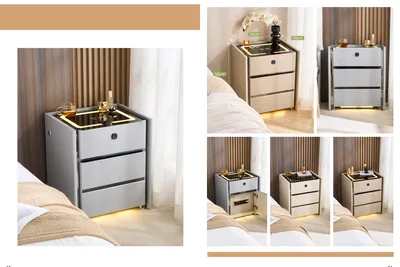
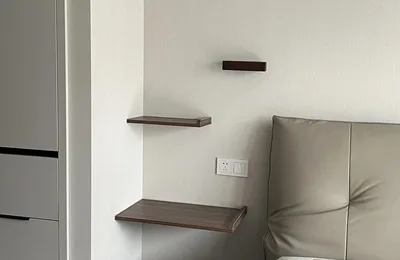
For Malaysian importers, furniture wholesalers, retailers and online sellers, a bedside cabinet enquiry is easier to quote when it starts with the channel and SKU mix. A useful request explains whether the range is for Klang Valley showrooms, national wholesale distribution, ecommerce listings, a hotel or serviced-apartment project, or a private label bedroom furniture programme. Buyers around Kuala Lumpur and Selangor can use the Kuala Lumpur bedroom furniture supply route when sample review, showroom display or local distributor planning matters.
Malaysian buyers may search for bedside cabinet, bedside table, nightstand and smart nightstand. For a B2B quotation, the practical question is how the product will be sold and repeated. The Malaysia furniture wholesale page is the right starting point when the buyer is planning a resale range rather than a one-room purchase.
Start with a focused SKU mix
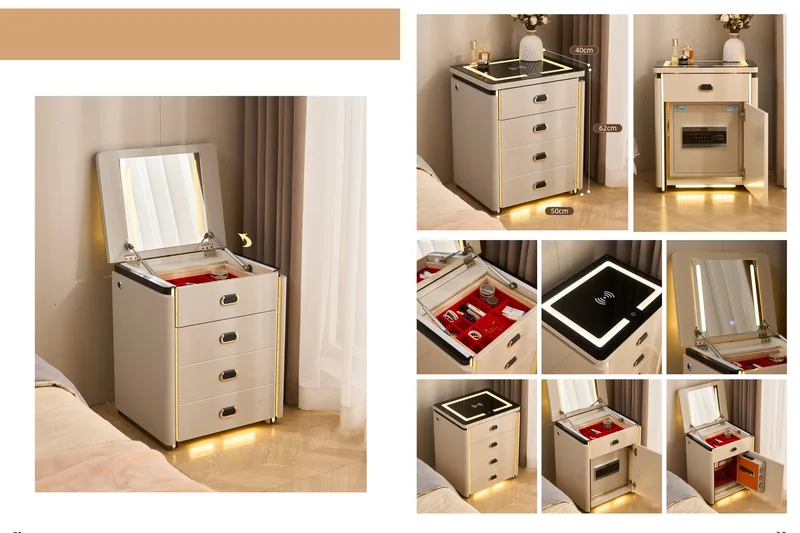
A first Malaysia range can stay focused: one compact bedside cabinet for condominiums and smaller bedrooms, one mainstream storage model for retail and online resale, and one smart nightstand with LED, USB or wireless charging. This gives the buyer a clear price and function spread without making samples, product photos and carton data too difficult to manage.
- Confirm quantity by SKU, not only a total order quantity.
- Separate showroom, ecommerce, project and private label requirements.
- Check whether the same finish can be repeated for future orders.
- If smart functions are included, review instruction, marking and packaging early.
Match carton data to the sales route
Online sellers need clear dimensions, product images, function notes and carton protection. Retail showrooms may prioritise stable finishes and visible storage. Hotel, serviced apartment and condominium buyers usually care about repeatability, batch planning and replacement units. If the range includes project rooms, compare the request with the hotel and apartment bedside cabinet route before final sample approval.
What to send for quotation
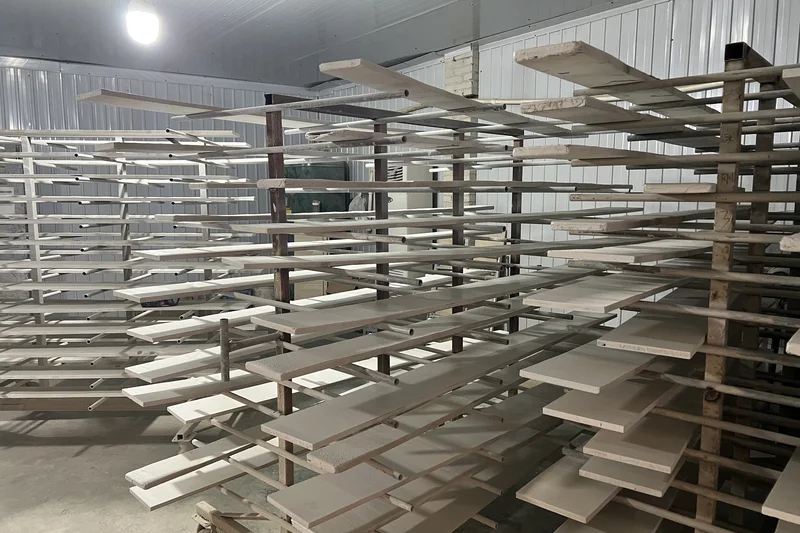
Prepare model references, target channel, city or state such as Kuala Lumpur, Selangor, Johor Bahru or Penang, quantity by SKU, packaging route, finish direction and target launch timing. If the same model will carry a buyer brand, connect the request with private label bedroom furniture planning from the beginning. When the mix is ready, send the model list, quantities and packaging notes through contact so the quotation can be checked by SKU instead of as a general furniture enquiry.
Give every starting SKU a commercial and operational role
A first range is easier to manage when each model has a reason to exist. The compact cabinet can serve smaller bedrooms and apartment listings; the storage model can cover mainstream retail demand; the smart model can test a higher-function price point. For each one, record the target channel, finish, carton, product data and likely reorder route. This avoids creating several nearly identical SKUs that each require their own photos, stock position and service explanation without serving a distinct buyer need.
The SKU file should bring commercial and handling data together: product dimensions, assembled or KD status, finish code, visible hardware, carton dimensions, image set, instruction version and any functional accessory. This is useful for online listing teams, showroom staff and warehouse operators because they are referring to the same approved product rather than collecting details from separate emails.
Review the first range with evidence from the channel
After launch, compare demand, storage use, transport damage, customer questions and service requests by SKU. A lower-volume model may still be valuable if it travels well and shares components with the main line; a popular model may require a carton or instruction improvement before it is expanded. Setting these review points in advance helps the buyer decide whether to replenish, adjust or retire a model based on evidence rather than a single sales comment.
The strongest Malaysia range is therefore not the longest list of cabinets. It is the mix that can be quoted, displayed, delivered, supported and reordered using clear information for every model.
The buyer should retain the first approved product files and review them before every reorder. This keeps the collection consistent even when a new sales contact, warehouse team or retail channel joins the programme.
Give the first range a small number of distinct jobs
A Malaysian wholesale range is easier to sell and replenish when each cabinet has a defined role. A compact option can suit apartment bedrooms and online channels, a drawer-led model can cover mainstream furniture retail, and a larger storage or smart model can provide a higher-value choice. These roles are more useful than a long list of near-identical finishes because they help dealers explain the range and help the importer decide which carton, spare parts and display information must be repeated.
The first order should compare landed operating effect as well as unit cost. Carton volume, weight, assembly state, finish protection and shared components influence warehouse space and delivery effort. A wide cabinet may use more cubic volume; a smart cabinet may require a defined adapter or service module; a KD unit may be attractive only if the instructions and fittings are dependable. Looking at these points together shows whether an extra SKU creates useful coverage or simply another exception for stock and support teams.
Build the replenishment rule into the original order
Each approved SKU should retain a photograph, finish code, hardware version, carton reference and sample record. The buyer can then set criteria for adding another width, colour or feature: repeated demand from a clear channel, confirmed need for more storage, or a sales pattern that supports a differentiated smart function. A minor visual change alone rarely justifies a new SKU if it creates a separate carton or service part. This approach keeps the second order based on evidence rather than isolated requests.
- A compact, mainstream-storage and differentiated role in the initial mix
- Comparison of price with carton volume, weight, finish risk and assembly state
- Shared runners, feet and service components where they support repeatability
- Approved photo, finish, hardware and carton code for every SKU
- Written conditions for expanding, replacing or discontinuing a model
Before final quantities are fixed, test the mix against real sales channels. A showroom needs a coherent display story, an e-commerce seller needs delivery and assembly clarity, and a distributor needs dependable cartons and replenishment. The strongest opening range is not the widest one; it is the group of cabinets that can be quoted, delivered, supported and reordered without making each sale a separate operational case.