Private label bedside cabinet enquiries in Malaysia need more than a logo request. A useful OEM quotation starts with model reference, target sales channel, finish direction, carton plan, label requirements, sample approval and first order estimate. This helps the factory understand whether the buyer is building a retail range, ecommerce line, project supply item or distributor programme.
For buyers preparing branded bedroom furniture, the private label bedroom furniture Malaysia route is the best place to organise requirements before asking for a formal quote.
Define the product before the brand details
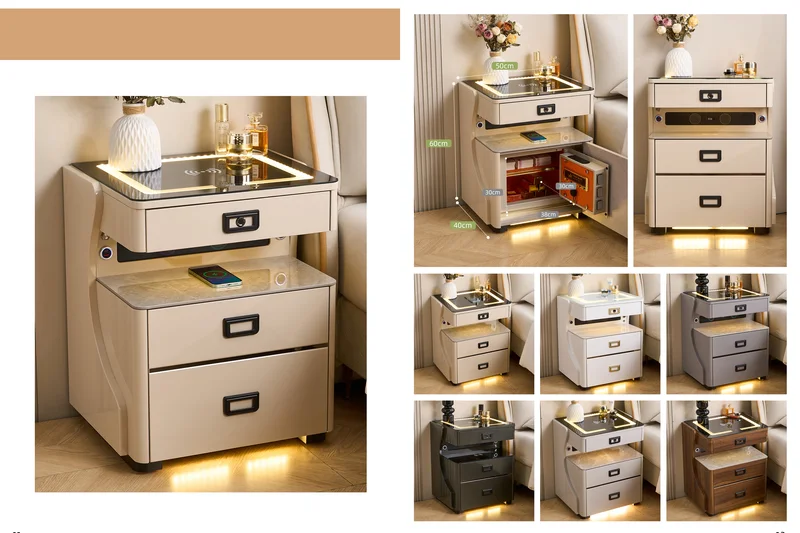
Carton artwork, barcode, instruction and label discussions only make sense after the product scope is clear. Malaysian buyers should first confirm width, drawer count, finish direction, smart nightstand functions, hardware and the target price level. The request should also identify whether the product will be sold through a showroom, ecommerce store, marketplace, hotel project or wholesale channel. For a Kuala Lumpur or Selangor showroom launch, the Kuala Lumpur bedroom furniture supply route can help keep samples, display pieces and reorder quantities separate.
- Prepare one to three model references instead of a broad mood board.
- Confirm finish, handles, drawer layout and smart function requirements.
- Share target sales channel and expected first order volume.
- Keep sample approval, carton artwork and launch timing in the same plan.
Check packaging, sample and reorder assumptions
Private label supply depends on repeatability. If the first batch is successful, the buyer may need the same finish, carton and product data for replenishment. Before confirming a sample, check whether carton protection, label position, instruction language, barcode, product photos and replacement parts match the buyer's sales route.
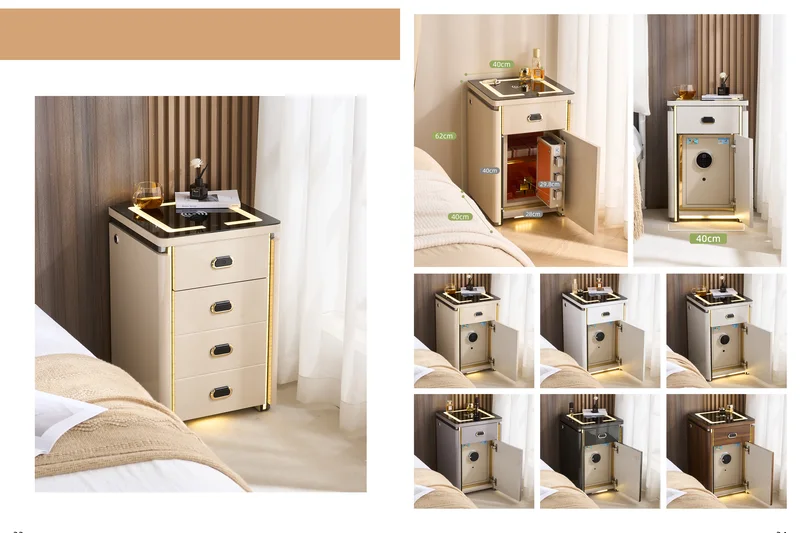
If the same buyer also needs non-branded wholesale items, connect the OEM discussion with the Malaysia furniture wholesale planning page so SKU mix and private label work do not conflict. For branded project supply, compare the OEM scope with the hotel and apartment bedside cabinet route before fixing cartons and replacement-unit rules. Once the model reference, label plan and first order estimate are ready, send the details through contact for a quotation review.
Keep one controlled product version from sample to repeat order
A private-label programme becomes difficult when the approved sample, artwork file and quotation each describe a slightly different cabinet. The buyer should create one model reference with the external dimensions, drawer layout, finish name, handle, feet, hardware, optional smart module and carton contents. Every later adjustment should be dated and explained in that record. This does not slow down development; it prevents a change to an artwork, colour or accessory from being misunderstood as a change to the whole product.
It is equally useful to separate product decisions from channel decisions. The cabinet structure may stay the same for a showroom and an online line, while the barcode label, outer carton, instruction insert or image pack changes by channel. When these items are separated in the request, the buyer can see what affects sample timing, what affects packaging work and what can remain common across the programme.
Compare quotations on the same scope
Before selecting a route, check whether each proposal includes the same finish, hardware, carton protection, label work, instruction content and optional functional parts. A lower product price is not comparable if it excludes an agreed carton mark or a required electrical accessory. Marking items as included, optional or still to be confirmed gives the buyer a more reliable first-order plan and avoids last-minute additions that change the commercial basis of the quote.
For repeat orders, the same controlled record becomes the reference for sales, warehouse and customer-service teams. It allows the brand to replenish the approved version instead of rebuilding the specification from messages and images.
A final approval should identify the owner of each open item, such as product specification, artwork proof, sample sign-off or packaging confirmation. That small discipline keeps the launch schedule realistic and makes a later replenishment easier to manage.
It also gives the brand a clear reference when product responsibilities change internally.
Set the brand brief before asking for an OEM price
A private-label quotation is meaningful only when every supplier is pricing the same decision. Before requesting a factory figure, the Malaysian buyer should define target customer, external dimensions, storage layout, finish direction, intended smart functions, packaging style, sales channel and first-order volume. A reference photo alone does not specify board construction, drawer runner, cable route, adapter arrangement or shipment state. A short written brief makes these assumptions visible and lets the buyer decide which details are essential for the brand and which can remain on a proven existing platform.
The quote should also separate unit cost from decisions that affect repeatability. Ask how a finish is approved, which components are shared with other models, what can change the MOQ, and how an updated logo, label or instruction sheet will be controlled. Shared runners, feet or charging modules can be a commercial advantage when they make future service simpler. A distinctive feature is useful only when the buyer understands its supply and replacement path, rather than discovering after launch that it requires a separate component for every small order.
Approve a sample in three practical stages
First review proportion, finish and function on the assembled cabinet. Then inspect the details normally hidden from a retail photograph: edge treatment, drawer alignment, fixing points, cable management and service access. Finally, open the production-intended carton and follow the supplied assembly or unpacking sequence. Record each approval against the drawing and brand reference. This creates a clear change-control point if the factory later proposes another finish film, runner or packaging insert.
- Exact external dimensions, useful storage and finish references
- Material, edge, runner, foot and smart-function specification
- Packaging, label, instruction and brand-artwork approval route
- Sample photographs and drawing revision attached to the approval
- Service-part and repeat-order plan for shared and model-specific components
A good OEM brief leads to a clear next choice: develop a branded sample, adapt a current factory platform or simplify the feature set to match a price target. This keeps the programme focused on a product the brand can launch, support and reorder, instead of allowing the quotation stage to collect unrelated design ideas.